
You walk into your room. The walls stare back at you … blank, silent, and a little bit judgmental. For introverts, that kind of emptiness doesn’t just feel dull. It feels loud.
Wall art, when chosen with care, becomes a quiet friend. It doesn’t talk over you. It listens. It mirrors your mood. It creates a space that isn’t just “styled,” but truly yours.
If your walls are blank and begging for personality, this article is your guide to filling them in ways that feel calm, connected, and personal. From choosing your first print to layering art without chaos, these tips will take you from blank walls to peaceful bliss.
Before diving into frames and colour swatches, stop and consider this: how do you want your space to feel?
cosy and quiet? Dreamy and reflective? Minimal and focused?
Write down three words that describe your ideal atmosphere. This little exercise becomes your blueprint. When you shop for prints or decorate a wall, you’ll know exactly what emotional tone you’re aiming for, which makes decision-making easier and more authentic.

Wall art doesn’t have to be dramatic to make a statement. In fact, the most soul-soothing rooms often have prints in calming colours: muted neutrals, soft pastels, and earthy tones. Think sage, clay, beige, or dusty pink. These hues help ground your space and support relaxation. You can still add contrast, just keep it soft and intentional.
If your room is mostly neutral, one or two art pieces with gentle pops of rust or white can add warmth without disruption.

You might feel tempted to fill every inch of your wall with prints, quotes, and photos.
But here’s a gentle reminder: negative space is part of the design.
A little emptiness gives your wall art room to breathe. It prevents visual clutter and keeps your room from feeling like a gallery that’s trying too hard.
Let your prints sit with space around them, like a pause in a conversation. it gives them a chance to speak more clearly.

If you’re new to decorating, it’s wise to begin with just one focal point.
A statement piece anchors the room and helps guide your next choices.
Make sure it’s big enough to command attention.
Small art on a big wall looks like an afterthought. Hang it so that the center sits around 57 inches from the floor – this is generally eye level and feels balanced to the human eye.
Also, try taping up paper in the same dimensions first so you can live with the size and placement before committing.
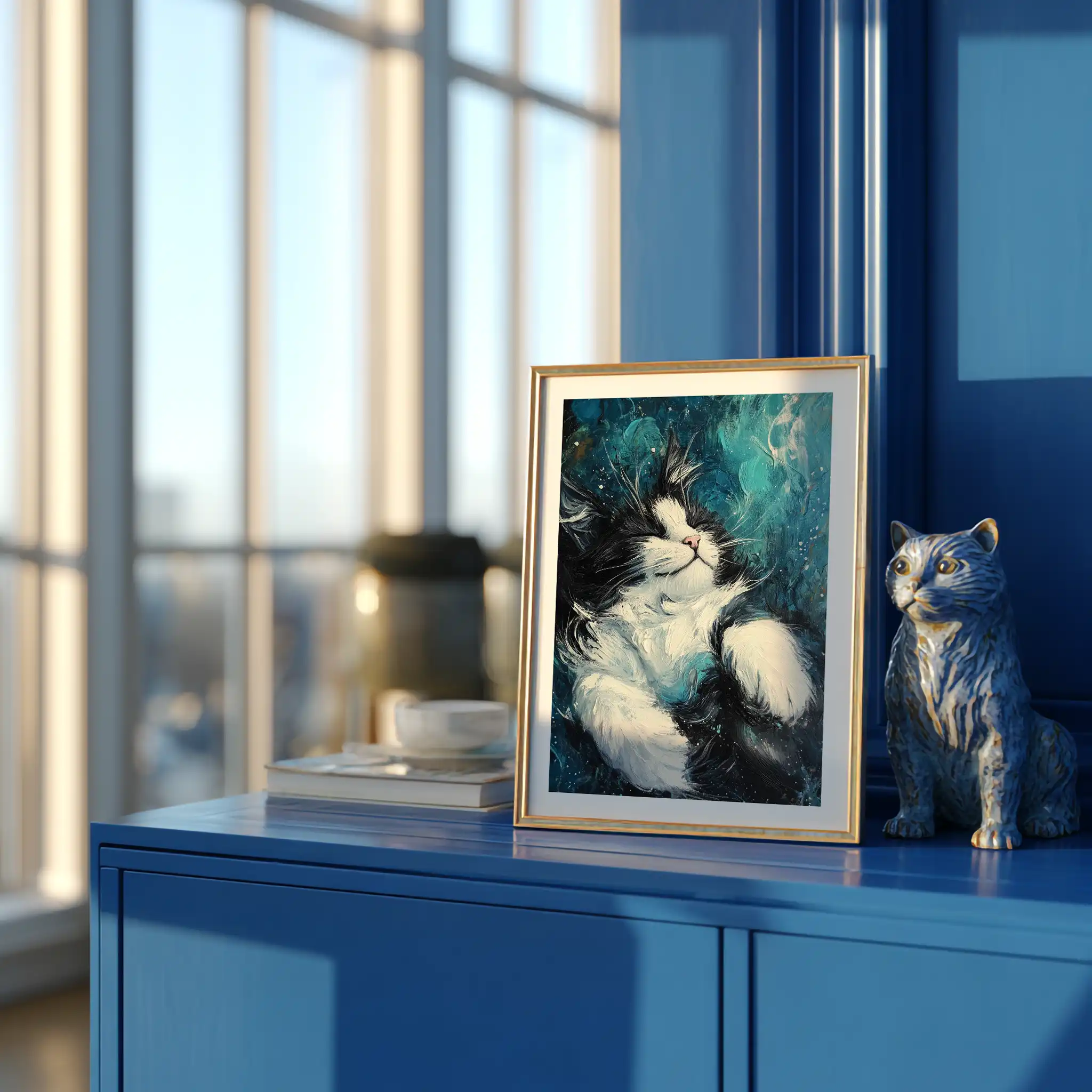
Once your hero piece is in place, consider what could quietly support it.
You might lean a smaller sketch underneath it, place a handwritten poem beside it, or frame a black-and-white photo that echoes its theme.
Keep the spacing consistent, and always make sure the statement piece remains the visual anchor. This isn’t about symmetry or perfection, but about balance and subtle layering that feels collected over time.

Not all wall art has to be framed paper!
Introverts often appreciate softness and tactility, so consider adding texture to your walls. A woven macramé hanging, a linen-textured canvas, or a wooden frame adds depth without visual noise. Choose materials like rattan, cotton, or raw wood to bring in natural warmth.
The goal isn’t to create a maximalist collage, but to let different materials play gently with light and shadow.

Gallery walls don’t have to be loud or overwhelming. For introverts, they can be a subtle narrative—pieces that, together, tell a quiet story.
You can go with a tidy grid, a relaxed row, or a loose cluster. Just maintain visual cohesion through similar colours, tones, or frame styles.
Lay it out on the floor first or cut paper templates to experiment with placement on your wall. A well-planned gallery wall feels intentional, not cluttered.

If commitment scares you a little (hello, nail holes), floating picture ledges are your best friend.
These let you layer and swap art with ease. Prop a print against the wall, tuck a small plant beside it, and change things up when the mood strikes.
These shelves give you the freedom to experiment without the pressure of permanent decisions. They also look effortlessly cosy and collected.

Even the most stunning print can fall flat under bad lighting! Soft, directional lighting makes all the difference.
Wall sconces, picture lights, or warm-toned bulbs create ambiance and highlight your artwork in a gentle way. Avoid bright overhead lights that wash everything out.
Instead, aim for light that creates shadows and softness. If the lighting feels like a whisper instead of a shout, you’re on the right track.

This might sound odd, but if you really want to wrap your space in warmth, consider the ceiling. A soft blush or barely-there sage overhead can make the room feel cocooned.
You can even add subtle wallpaper or texture for depth. It doesn’t have to be dramatic. Just something that draws the eye upward softly, making the room feel fully enclosed in calm.

Mirrors are secret weapons. They bounce natural light around and make rooms feel bigger without adding visual clutter.
A simple round mirror or an antique one with a wood frame can sit next to a piece of art or quietly fill a wall on its own.
Just keep it understated: this isn’t about making a statement, it’s about softening the space and opening it up with a whisper.

Wall art should feel like part of the room, not floating in isolation!
Use the furniture beneath it to visually ground the art. A print above a sideboard, a canvas centered over a bed, or a pair of pieces above a console … all of these placements make the room feel intentional.
If there’s too much space between your art and the furniture, it can feel disconnected. Let the rug underfoot echo the colours in your art to tie it all together.

You don’t have to commit to a print for life. In fact, many introverts find joy in subtle seasonal shifts. Maybe you swap in florals in the spring and abstract shapes in winter. Use frames that open easily or picture ledges to make swapping art effortless.
Keep a small collection of favorite prints in storage and rotate them when the mood changes. Your space can evolve without requiring a full redecoration.
Forget trends. Forget what’s popular on design blogs.
Choose prints that you connect with emotionally.
Art should comfort, inspire, or reflect something true about you.
As you browse sites like Happy Art Prints, ask yourself:
Does this piece make me feel something? Does it echo the atmosphere I’m creating? Does it feel like me?
When in doubt, trust your instinct. Quiet rooms are built from meaningful pieces, not mass appeal.
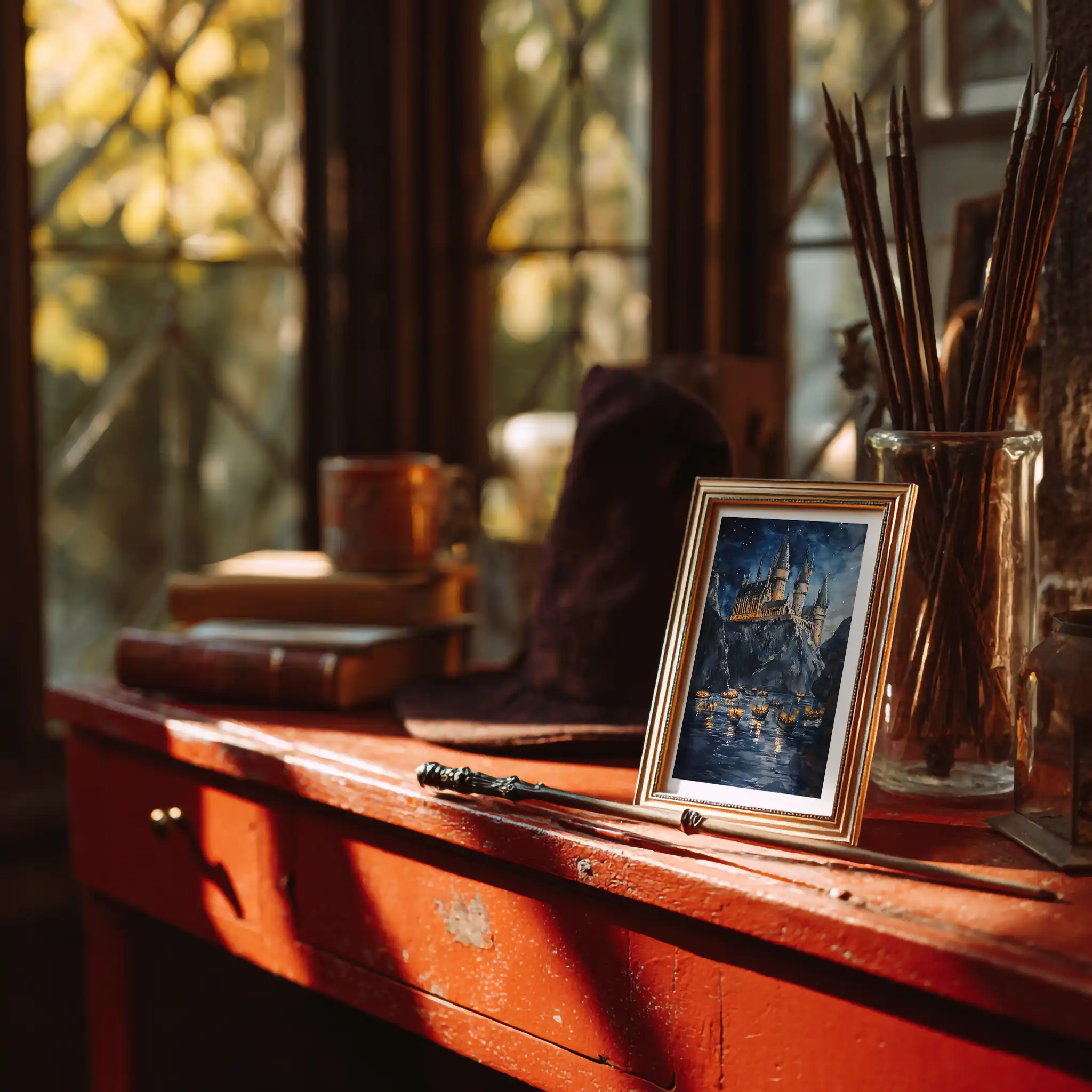
Many beginners hang art too high. Always aim to place the center at eye level, around 57 inches from the floor.
Another mistake is picking prints that are too small. Don’t be afraid of scale. Big walls need big art!
Also, avoid clashing frames unless you’re going for an eclectic look. Even then, stick to a few styles in the same colour family.
And lastly, don’t overcrowd your space. A few intentional pieces are far more effective than a wall crammed with random prints!
Q: How do I choose wall art that fits my personality?
Start by identifying how you want your space to feel—calm, creative, or cozy. Choose pieces that reflect those emotions. Don’t worry about trends. If it feels like you, it belongs on your wall.
Q: What’s the best way to hang art at the right height?
A great rule of thumb is to hang art so the center sits around 57 inches from the floor, which is roughly eye level. If you’re hanging above furniture, leave a 4 to 8 inch gap between the top of the furniture and the bottom of the frame.
Q: Can I mix different types of art on the same wall?
Yes, mixing photography, illustrations, quotes, and abstract pieces can create a rich, layered look. Just keep a consistent theme in colours, mood, or frame style so it all flows together visually.
Q: How big should wall art be for large empty walls?
For large walls, choose artwork that fills at least 60–70% of the space. Bigger is usually better, and if one piece isn’t enough, try creating a gallery wall with several coordinating pieces.
Q: Is it okay to leave some walls blank?
Absolutely. Blank walls can help your space breathe and keep it from feeling cluttered. Negative space is part of your design and can actually highlight the art you do hang.
Q: How often should I change my wall art?
There’s no rule, but many introverts enjoy changing art with the seasons or as their mood evolves. Using ledges or easily swappable frames makes rotating prints effortless.
Q: What kind of wall art is best for a bedroom sanctuary?
Go for calming, low-contrast pieces like nature prints, abstract minimalism, or soft-toned photography. Avoid anything too high-energy, like bold neon colours or chaotic patterns.
Q: Can I use unframed art prints in my decor?
Yes, especially for a relaxed look. You can pin them to corkboards, hang them with clips, or display them with washi tape. If you want a cleaner look, consider floating frames or magnetic hangers.
Q: How do I create a cohesive gallery wall without it looking cluttered?
Stick to a unified palette or theme, keep spacing even, and mix sizes while maintaining balance. Lay it out on the floor first or use paper cutouts on the wall to test your layout.
Q: Where can I find affordable and stylish wall prints online?
Sites like happyartprints.com/shop offer curated collections with cozy, modern, and introvert-friendly vibes. Look for prints that align with your personal aesthetic, not just what’s trending.
Creating a cosy sanctuary through wall art doesn’t have to be overwhelming. Start with intention. Choose pieces that speak to you. Let your walls breathe. Embrace simplicity. A quiet space filled with prints you love becomes a reflection of your inner calm.
You don’t need a design degree or a Pinterest-perfect gallery wall. Just trust yourself. Let your instincts lead the way. With a little thought and a lot of heart, your blank walls can become the most comforting part of your home.


