
Art isn’t just decoration, but a way to express who you are. A well‑chosen print can transform a blank wall into a vibrant reflection of your personality, your moods, even your dreams.
Whether you’re an experienced collector or just starting out, art prints offer an affordable, flexible way to build a space that feels unmistakably you.

With affordable, high-quality prints out there (like those you might find on print‑shops or online galleries), you don’t need a big budget to start. The journey of selecting art should be fun, inspiring, and filled with possibilities.
By the end of this guide, you’ll feel empowered to pick prints that match your character, your space, and, most importantly … your heart.
Let’s dive in and explore how to turn blank walls into personal canvases!
Before you start browsing prints, it helps to step back and ask yourself: what styles, colours, moods, or themes are you naturally drawn to?
Maybe you love the calm serenity of minimal black‑and‑white art. Or perhaps bold abstracts and vibrant colour splashes make your heart sing. Maybe vintage travel posters, dreamy landscapes, or playful typography speak to you. Your instincts are a powerful guide, and art should feel like you.

Remember, there’s no “wrong” style. What matters is how you feel when you look at a piece. If it brings joy, peace, or excitement, that’s your signal.
Art doesn’t exist in a vacuum. The room, the wall, the furniture, the light: all these play a role in how a print will look.
If you’re decorating a living room, a bold, larger print or even a gallery wall can add energy and personality. In a bedroom, softer or more calming art might be perfect. It’s something soothing to look at as you wind down for the night.

Measure first. How much wall space do you really have? A print that’s too small on a big wall can feel lost, while a piece that’s too large for a small wall might overwhelm and crowd the space. Correct sizing helps the art look intentional, not accidental.
The goal is harmony. Your art should complement the surroundings, not compete with them.
Colours are powerful. They transform not just spaces, but also moods, emotions, and energies. This is where a little bit of colour psychology comes in handy.
If you want a calm, restful vibe like in a bedroom, consider cool tones such as blues, greens, or soft neutrals. These tend to give you peace, calmness, and a sense of sanctuary.

On the other hand, if you want warmth, vibrance, or energy for example in a living room or creative space, warm tones like oranges, reds, yellows or bold contrasting colours can bring life and personality.
You can also think about whether you want the print to blend with your room’s existing palette or make a statement by contrasting with it. Both approaches work. What matters is the feeling you want to evoke.
Ultimately, trust your emotional response. If a print makes you feel joy, calm, or inspiration, that’s a good sign it matches your vibe.
Art becomes more meaningful when it connects with what matters to you. Think about what inspires you: maybe it’s nature, travel, nostalgia, abstract expressions, pop culture, minimalism, or whimsical patterns. Let those passions guide you.

Choosing themes that reflect your experiences, memories, or values can turn art from decoration into personal storytelling. Over time, your collection becomes a gallery of who you are or who you aspire to be.
Don’t be afraid to mix and evolve. Maybe today you pick a dreamy landscape, tomorrow a vibrant abstract. Different pieces can capture different facets or moods. That’s part of the fun.

Remember, even affordable prints, not just original paintings, can carry deep meaning if chosen thoughtfully.
Original artwork can be wonderfully unique, but you don’t need expensive originals to make a space feel special. High‑quality prints are often the smarter option, especially for beginners or those on a budget.
When shopping for prints, pay attention to print quality: resolution, accurate colours, good printing technique. The final product looks crisp, vibrant, and intentional. A low-quality print can make even a great design look cheap.

Consider this balance: mix a few “investment” pieces, like the prints you absolutely love and that feel timeless.This keeps your space dynamic without breaking the bank.
In short, authenticity comes from what the art means to you, not necessarily how expensive it is.
Once you’ve picked a print (or a few), think about how you want to display them. There are several great layout options:
Each has its charm. A large art print becomes a singular eye catcher. A gallery wall becomes a tapestry of your tastes and memories. Mixing allows flexibility and spontaneity.

If you go for a gallery wall, try unifying the pieces with a common thread similar colour palettes, frame styles, or themes, to keep the overall look harmonious instead of chaotic.
Also, empty walls don’t need to be filled all at once. Let your collection grow over time. A few carefully chosen prints now, more later … it’s your personal journey.

A great print can look even better with the right framing and display. The frame should complement both the artwork and your interior style. Wood might give warmth and a classic feel. Metal might feel modern and sleek. White matting can add a clean, contemporary touch.
Not all prints need a frame. Some canvas or poster-style prints look good unframed, giving a relaxed, casual vibe. Other prints benefit from framing for polish, protection, and presentation.

Lighting matters too. Think about where natural or artificial light will hit the print. Proper lighting can highlight colours and details. Avoid glare or fading by placing art away from harsh direct sunlight or overly damp areas.
Finally, take care of your prints: dust occasionally, avoid exposure to moisture or extreme light, and occasionally change arrangements to keep things fresh and dynamic.
At the end of the day, art is deeply personal and subjective. What matters most is how it makes you feel. Experts often say: if a piece resonates with you, that’s a powerful guide.
Don’t overthink it. Explore, experiment, mix styles, rotate prints, refresh arrangements. Your aesthetic evolves. Why shouldn’t your art evolve too?
Maybe one day you love minimal lines and soft hues. A few months later you might crave colour explosions or nostalgic prints. That’s fine. Let your space reflect the real, changing you.
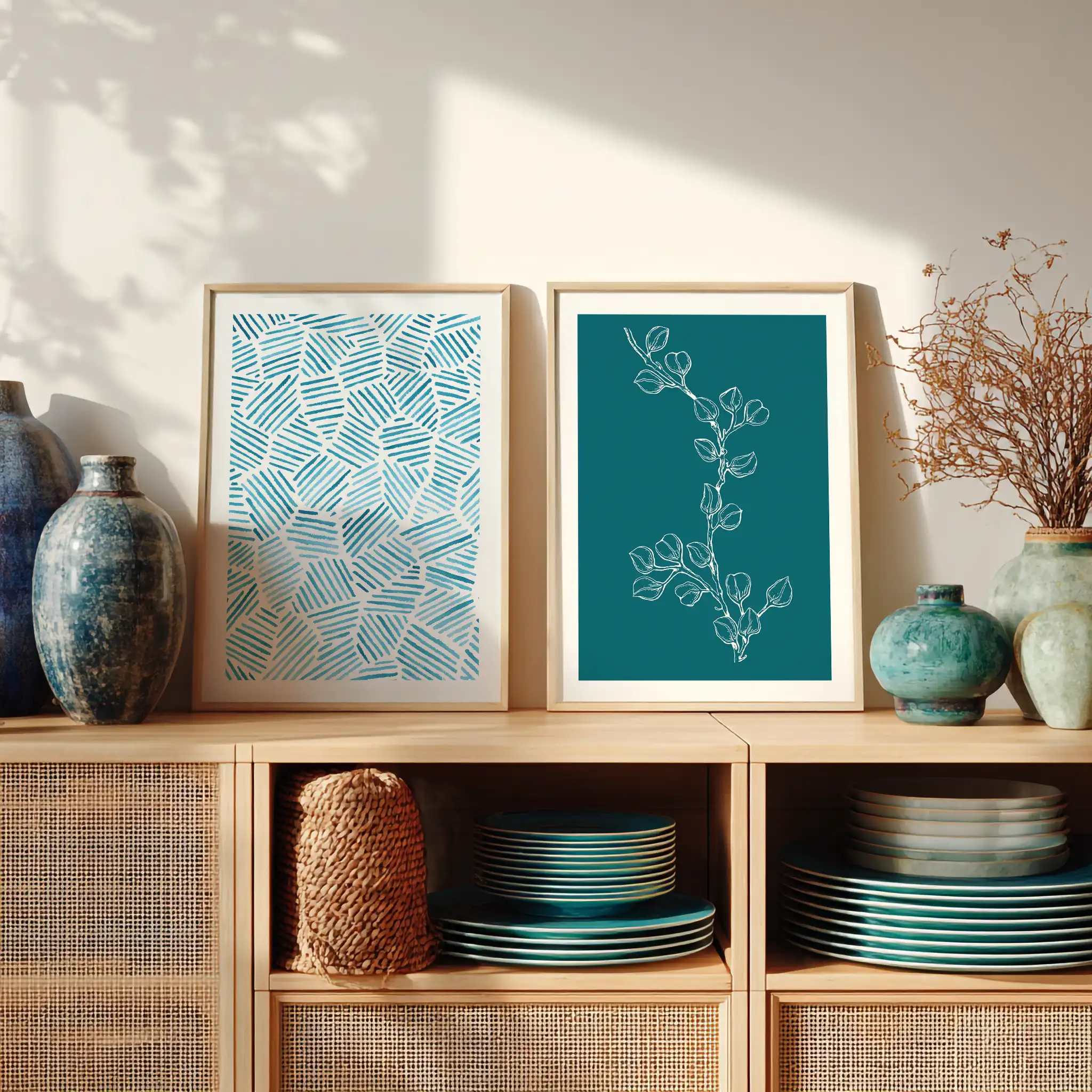
Art is for joy, expression, and authenticity. Let your heart be your compass.
Your art collection doesn’t have to be perfect when it starts. In fact, its beauty often grows over time. Think of it as a living, evolving expression of you.
Start with a few pieces you love, maybe a statement print. Then gradually add more as you discover new styles or moods that resonate. Maybe one print for your living room today, another for a corner nook tomorrow.

Mix “core” pieces like your favourites, timeless designs. Use with fun, spontaneous picks: seasonal prints, trending styles, pieces that catch your eye unexpectedly. This approach keeps your space fresh, interesting, and personal.
You don’t need a big budget. Prints exist precisely to make art collecting accessible. Over time, value comes not just from monetary worth but from emotional connection and meaning.

Enjoy the process. It’s not just about filling walls. It’s about telling your story.
Art becomes powerful when it reflects who you are: your memories, your values, your dreams, your identity. A print that reminds you of a place you once visited, a time you felt happy, a milestone … that’s more than decoration. It’s a memory keeper.

Allow your walls to mirror your journey. A collection of different prints can show the many facets of you: playful, contemplative, nostalgic, and bold all in one space.
Don’t restrict yourself to a single style or mood. Maybe your living room has a vibrant abstract, your bedroom a serene landscape, your reading nook a minimalist print. Each space can echo a different side of you.

When you choose art intentionally, you give your home personality, emotion, and soul. Your walls become not just surfaces, but stories.
How do I know what style of art suits me?
Start by paying attention to what you naturally gravitate toward like in magazines, social media, interior photos, or during museum/gallery visits. If certain images, colours, or themes consistently draw you in, that’s a big clue. Building a small inspiration board or folder helps clarify your tastes over time.
Can I mix very different styles (e.g. abstract + vintage) in one room?
Absolutely. Mixing different styles can reflect your complexity and personality. To keep things harmonious, you can unify the pieces with consistent colours, frame style, or overall mood. Art is subjective! If it feels right to you, it works.
What size of print is best for a small living room or apartment?
For smaller spaces, larger single prints (instead of many small ones) often look cleaner and less cluttered. If you do multiple prints, space them thoughtfully. Before buying, measure your wall space so you don’t end up with pieces that feel too small or overwhelming.
Should I match the art colours to my furniture or go for contrast?
Both approaches can work well. Matching colours can create a cohesive, calm look. Choosing contrasting colours makes the artwork pop and become a focal point. Decide based on the mood you want: subtle harmony or bold character.
Are prints really as good as original paintings?
Print quality has come a long way. A well-made print with good resolution, accurate colour, and quality materials can look stunning and last a long time. For many, prints are the perfect balance of affordability, flexibility, and aesthetic appeal.
How many artworks are too many? Can I have too many prints on one wall?
It’s less about number and more about balance. A crowded, cluttered wall can feel overwhelming. If doing multiple pieces, aim for harmony through consistent colours, spacing, or thematic links. Otherwise, fewer art pieces thoughtfully placed often look best.
What if I fall in love with a print now but hate it later, should I still buy it?
Art doesn’t have to be forever. Prints are relatively easy to replace or rotate. If a piece no longer matches your vibe, swap it out — that’s part of the fun of collecting. Your tastes evolve, and your space should reflect that.
How important is framing? Can I skip it?
Framing isn’t mandatory. Some prints look great unframed (canvas, posters, minimalist design). Others benefit from a frame to bring polish, definition, and protection. Consider the style of your space and the print itself when deciding.
How do I take care of prints so they last a long time?
Keep them away from direct sunlight and damp or humid areas. Dust occasionally. If framed under glass or with protective materials, they stay vibrant longer. Rotating prints occasionally can keep your display feeling fresh and intentional.
Can I build a meaningful art collection on a budget?
Definitely. Affordable prints make art accessible. Focus on what speaks to you, rather than price tags. Over time, a collection built with personal meaning can be more valuable emotionally than expensive originals.
Choosing art prints isn’t just about picking pretty pictures. It’s about self‑expression, storytelling, and joy. Your walls are blank canvases waiting to be filled with reflections of your personality, memories, moods, and dreams.
There’s no single “right” approach. The perfect print is whichever piece makes you smile when you walk in the room, feel calm when you sit down, or inspired when you look at it.
Start simple. Browse. Experiment. Measure, plan, but don’t overthink. Let your instincts lead. Over time, your space will evolve into something uniquely yours, a space that doesn’t just look good, but feels deeply personal.
So go ahead: explore, choose, print, hang. Turn your space into a reflection of you. Enjoy the journey.


